
Introduction
Finding the right home is one of the most important steps toward achieving independence, safety, and a better quality of life for people living with significant disabilities. For eligible participants, Specialist Disability Accommodation NDIS provides access to purpose-built housing designed to meet complex support and accessibility requirements.
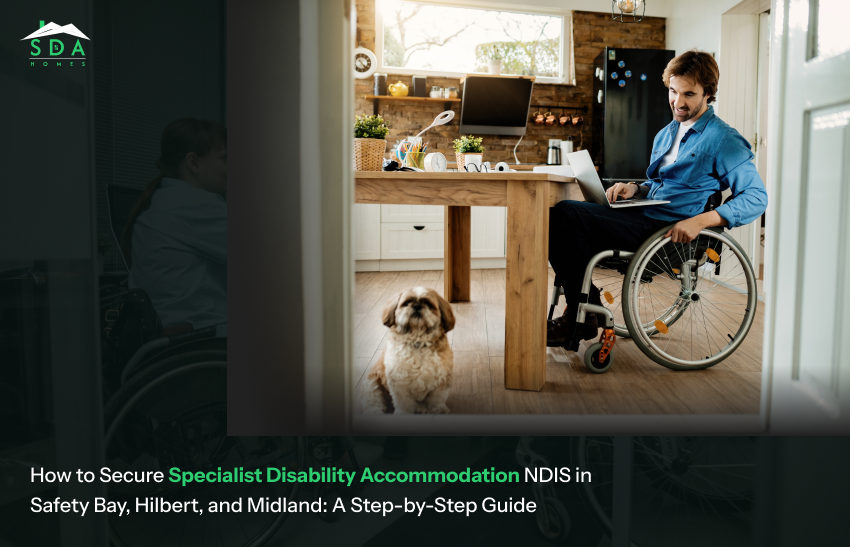
Unlike traditional housing options, specialist accommodation is designed to improve daily living outcomes through accessible layouts, assistive technology integration, and environments that support greater independence. Whether you are searching for housing opportunities in Safety Bay, Hilbert, or Midland, understanding the accommodation process can help you make informed decisions and avoid unnecessary delays.
With guidance from experienced providers such as SDA Homes, participants can better understand eligibility requirements, accommodation options, and the steps involved in securing suitable housing.
This guide explains the complete process, from eligibility assessments and housing selection to moving into a specialist accommodation property.
Understanding Specialist Disability Accommodation NDIS and Its Purpose
Housing plays a vital role in supporting independence and improving overall wellbeing. For participants with significant functional impairments or very high support needs, specialist accommodation can provide an environment that better supports everyday living.
Specialist Disability Accommodation NDIS is designed to help participants access homes that include features tailored to their support requirements. These properties often include accessible bathrooms, wider doorways, assistive technology systems, wheelchair-friendly layouts, and other modifications that improve safety and functionality.
The primary goal of specialist accommodation is to help participants live more independently while ensuring they have access to an environment that meets their individual needs.
Who May Be Eligible for Specialist Disability Accommodation NDIS
Eligibility is generally reserved for participants who have significant functional impairments or very high support needs.
To access specialist accommodation funding, participants must demonstrate that their disability-related needs cannot be adequately met through conventional housing options. Assessments and supporting documentation are typically required to support eligibility decisions.
Professional reports from healthcare providers and allied health professionals often play an important role in the approval process.
Why Specialist Disability Accommodation NDIS Is Different From Standard Housing
Unlike standard residential properties, specialist accommodation is specifically designed to support participants with complex accessibility requirements.
These homes may include:
- Improved accessibility features
- Enhanced safety measures
- Assistive technology integration
- Mobility-friendly layouts
- Greater support for independent living
The design of these homes helps participants perform everyday activities more safely and comfortably.
Long-Term Advantages of Specialist Disability Accommodation NDIS
The right accommodation can provide long-term benefits, including improved independence, enhanced accessibility, increased confidence, and better participation in community life.
Determining Eligibility and Preparing Your Application
Before beginning the accommodation search process, participants should understand the eligibility requirements and prepare the necessary documentation.
A successful application often depends on the quality of supporting evidence and how clearly housing needs are demonstrated.
Housing assessments help decision-makers understand the participant’s current living situation, accessibility challenges, and long-term support requirements.
Evidence Needed to Support Housing Applications
Applicants are often required to provide:
- Medical reports
- Functional assessments
- Occupational therapy reports
- Housing recommendations
- Support needs documentation
Comprehensive evidence helps strengthen applications and demonstrates the need for specialist accommodation.
Understanding Assessment Outcomes and Recommendations
Assessment outcomes help determine whether specialist housing is the most appropriate option.
Recommendations often identify required housing features, accessibility needs, and support arrangements that will contribute to improved participant outcomes.
Finding the Right Specialist Disability Accommodation NDIS Property
Once eligibility requirements have been addressed, participants can begin exploring available housing opportunities.
Location, accessibility, community connections, and support availability should all be considered during the property selection process.
Participants living in or relocating to Safety Bay, Hilbert, and Midland should evaluate properties carefully to ensure they align with both current and future needs.
How to Apply for Specialist Disability Accommodation NDIS Opportunities
The application process generally involves:
- Confirming eligibility
- Gathering supporting documentation
- Reviewing available housing options
- Discussing preferences with providers
- Completing accommodation applications
- Participating in property assessments where required
Following a structured approach can help streamline the process.
Evaluating Location, Accessibility, and Lifestyle Factors
When comparing properties, participants should consider:
- Access to healthcare services
- Public transport availability
- Community participation opportunities
- Family proximity
- Local support services
These factors contribute significantly to long-term satisfaction and quality of life.
Understanding Housing Categories, Design Standards, and SDA Rules
Housing design categories help ensure participants are matched with accommodation that supports their specific requirements.
Understanding SDA Rules can help participants gain greater clarity regarding funding arrangements, design standards, and accommodation eligibility.
These standards exist to ensure housing remains safe, accessible, and suitable for participant needs.
How Design Features Improve Daily Living Outcomes
Specialist housing features are designed to support independence and reduce barriers to everyday activities.
Examples include:
- Accessible bathrooms
- Wheelchair-friendly layouts
- Automated systems
- Adjustable kitchen spaces
- Improved mobility access
These features can significantly improve participant comfort and independence.
Comparing Different Housing Design Categories
Different accommodation categories offer varying levels of accessibility and support.
Participants should work closely with professionals to identify the most appropriate housing design based on their functional requirements.
Housing Comparison Table
| Feature | Standard Housing | Specialist Disability Accommodation NDIS |
| Accessibility Features | Limited | Extensive |
| Assistive Technology | Rare | Frequently Included |
| Mobility Support | Basic | Advanced |
| High Support Needs Accommodation | Limited | Purpose Built |
| Independence Support | Moderate | High |
| Long-Term Suitability | Varies | Specifically Designed |
| Safety Enhancementsa | Standard | Enhanced |
| Disability-Specific Design | Rare | Core Requirement |
Working With Providers and Exploring Available Housing Solutions
Choosing the right provider is an important step in the accommodation journey.
Many participants begin their search by exploring available SDA Home opportunities and comparing housing providers based on experience, location availability, and participant support services.
Experienced providers can help participants understand accommodation options and navigate the application process more efficiently.
Understanding the Value of Professional SDA Services
Professional SDA Services often include:
- Housing guidance
- Accommodation matching
- Property information
- Application support
- Tenancy assistance
These services help participants make informed housing decisions.
Questions to Ask Before Selecting a Housing Provider
Helpful questions may include:
- What accessibility features are available?
- Are support services located nearby?
- What vacancies currently exist?
- How are maintenance requests managed?
- What community facilities are accessible?
Gathering this information can simplify the decision-making process.
Planning Daily Supports and Independent Living Arrangements
Securing accommodation is only one part of creating a successful living arrangement.
Participants should also consider the support services they may require after moving into their new home.
Many individuals combine specialist accommodation with NDIS Supported Independent Living supports to receive assistance with daily tasks while maintaining independence.
Coordinating Support Services Within the Home
Effective coordination ensures housing and support services work together to meet participant goals.
Strong communication between support teams contributes to better outcomes and a more positive living experience.
Building a Sustainable Long-Term Living Environment
Long-term planning helps participants maintain housing stability and continue achieving their personal goals as support needs evolve over time.
Accessing SDA Housing WA and Preparing for Future Opportunities
Demand for specialist accommodation continues to grow throughout Western Australia.
Participants interested in SDA Housing WA opportunities should begin planning early to maximise available choices and improve application readiness.
Early preparation can increase the likelihood of securing accommodation that aligns with individual preferences.
Why Early Planning Can Improve Housing Outcomes
Participants who prepare documentation and assessments in advance often experience smoother application processes.
Being proactive also improves access to future housing opportunities as they become available.
Staying Informed About New Accommodation Opportunities
Regular communication with providers and support professionals helps participants stay informed about vacancies and new housing developments.
Moving Into Specialist Disability Accommodation NDIS Successfully
Once accommodation has been approved and secured, participants can begin planning the transition into their new home.
Moving into SDA Accommodation requires preparation, coordination, and ongoing communication with providers and support teams.
A structured transition plan helps minimise disruptions and supports a positive move-in experience.
Benefits of Specialist Disability Accommodation NDIS for Participants
Participants often experience:
- Greater independence
- Improved safety
- Better accessibility
- Enhanced wellbeing
- Increased community participation
- Stronger support outcomes
These benefits contribute to long-term quality of life improvements.
Important Steps Before Move-In Day
Preparation may include:
- Confirming support arrangements
- Reviewing tenancy agreements
- Organising utilities
- Planning transport
- Coordinating personal belongings
These steps help ensure a smooth transition.
Common Challenges During the Accommodation Journey
While specialist housing provides many benefits, participants may encounter challenges during the application and housing selection process.
Common challenges include:
- Limited housing availability
- Documentation requirements
- Waiting periods
- Complex assessments
- Provider selection decisions
Understanding these challenges helps participants prepare more effectively.
Strategies for Navigating the Process Successfully
Participants can improve their experience by:
- Starting early
- Maintaining organised records
- Seeking professional guidance
- Reviewing housing options carefully
- Staying informed about opportunities
These strategies often contribute to smoother housing outcomes.
Frequently Asked Questions
Who qualifies for specialist disability accommodation?
Participants with significant functional impairments or very high support needs may qualify, subject to assessment and approval.
Can participants choose where they want to live?
Participants can express location preferences, although availability may vary.
Is specialist housing available in Safety Bay, Hilbert, and Midland?
Yes, accommodation opportunities may be available across these locations depending on vacancies and eligibility.
Can specialist accommodation be combined with support services?
Yes, many participants combine housing with support services that promote independent living.
Conclusion
Securing Specialist Disability Accommodation NDIS requires careful planning, strong supporting evidence, and a clear understanding of the housing process. By following a structured approach, participants can improve their chances of finding accommodation that supports independence, safety, and long-term wellbeing.
From understanding eligibility requirements and SDA Rules to exploring SDA Housing WA opportunities and preparing for independent living, every step plays an important role in achieving successful housing outcomes.
With support from SDA Homes, participants can access specialist accommodation solutions that help create a safer, more accessible, and more independent future.

 By
By
 By
By